
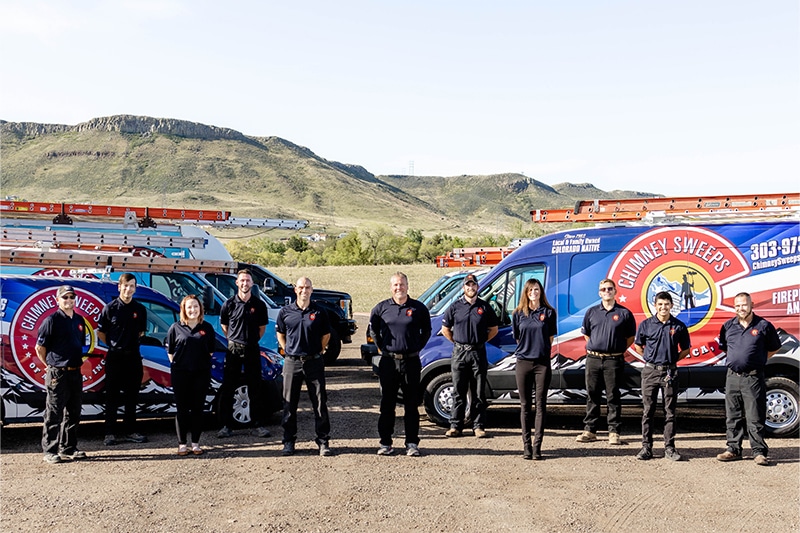
If you’ve got a fireplace in your Denver home, there’s a good chance you’re not thinking about your chimney until something goes wrong. Maybe smoke starts backing up into your living room, or you catch a whiff of something musty every time you walk past the hearth. That’s usually when homeowners start wondering: when was the last time we had this thing cleaned?
Here at Chimney Sweeps of America, we’ve been serving the Denver metro area since 1982, and we’ve seen what happens when chimney maintenance gets pushed to the bottom of the to-do list. The good news? Professional chimney cleaning is straightforward, affordable, and genuinely important for your family’s safety. Whether you’re in Denver proper, out in Wheat Ridge or Arvada, or anywhere across the Front Range, understanding what goes into chimney cleaning can help you make smarter decisions about maintaining your home.
Key Takeaways
- Professional chimney cleaning in Denver prevents dangerous creosote buildup and reduces the risk of chimney fires and carbon monoxide exposure.
- Denver’s freeze-thaw cycles and long winters accelerate chimney wear, making annual inspections essential for Front Range homeowners.
- A standard chimney cleaning takes about an hour and includes a Level 1 inspection, flue brushing, and thorough cleanup.
- Schedule chimney cleaning in late summer or early fall to avoid the heating season rush and ensure your fireplace is ready for winter.
- Look for CSIA-certified technicians with proper insurance and transparent pricing when choosing a chimney cleaning service.
- Professional chimney cleaning in the Denver area typically costs $150 to $350, a small investment compared to the thousands in damage a chimney fire can cause.
Why Chimney Cleaning Matters for Denver Homeowners
Your chimney does more than just let smoke escape. It’s a critical safety system that, when neglected, can put your home and family at real risk. Here’s what’s actually at stake:
Fire prevention is the big one. Every time you burn wood, a substance called creosote builds up inside your flue. Creosote is highly flammable, and when it accumulates to dangerous levels, a single hot fire can ignite it. Chimney fires can reach temperatures of over 2,000 degrees Fahrenheit and can spread to your home’s structure before you even realize what’s happening.
Carbon monoxide safety is the other major concern. When your chimney is blocked by debris, animal nests, or excessive buildup, those combustion gases have nowhere to go except back into your living space. Carbon monoxide is odorless and colorless, which makes it particularly dangerous.
Beyond safety, regular cleaning also:
- Improves your fireplace’s heating efficiency
- Extends the life of your chimney liner and masonry
- Prevents expensive repairs down the road
- Eliminates unpleasant odors from creosote and trapped moisture
How Denver’s Climate Affects Your Chimney
Living along the Front Range means your chimney takes a beating that homeowners in milder climates don’t have to worry about. Our Colorado weather creates some specific challenges.
The freeze-thaw cycle is brutal on masonry. Water gets into small cracks in your bricks and mortar, freezes overnight, expands, and widens those cracks. Then it thaws, and the process repeats all winter long. Over time, this leads to spalling (where the face of the brick flakes off) and deteriorating mortar joints.
We also get our share of wind-blown debris, and animals love to nest in chimneys during spring. Raccoons, birds, and squirrels can create serious blockages. Homeowners in areas like Thornton, Northglenn, and Commerce City often deal with this, especially in neighborhoods with mature trees.
The dry air and frequent fireplace use during our long winters accelerate creosote buildup too. If you’re firing up your fireplace three or four times a week from October through April, you’re generating more creosote than someone who only uses their fireplace occasionally.
What to Expect During a Professional Chimney Cleaning
If you’ve never had your chimney professionally cleaned, you might be wondering what the process actually involves. It’s less disruptive than most people expect, and a good technician will leave your home as clean as they found it.
Inspection and Assessment
Before any cleaning begins, a certified technician will assess your chimney‘s current condition. This typically includes a visual examination of:
- The flue liner for cracks or deterioration
- The firebox and damper operation
- The chimney cap and crown
- Exterior masonry condition
- Clearances to combustibles
At Chimney Sweeps of America, our certified technicians perform a Level 1 inspection with every sweep. This visual examination covers all accessible areas and helps identify potential problems before they become major repairs. If something looks concerning, we’ll discuss whether a more detailed Level 2 inspection (which may include camera inspection) is warranted.
The Cleaning Process
Once the inspection is complete, the actual cleaning begins. Here’s what happens:
First, the technician protects your home. Drop cloths go down around the fireplace, and a high-efficiency vacuum is set up to capture dust and debris. Nobody wants soot all over their living room carpet.
The sweep itself uses a combination of rotary and manual brushes sized specifically for your flue. These brushes scrub the creosote and soot from the liner walls. Depending on the chimney’s design, the technician may work from the roof down or from the firebox up.
The smoke chamber, firebox, and any connector pipes also get cleaned. Everything is vacuumed up as the work progresses.
For Denver homeowners and those in surrounding communities like Westminster, Boulder, and Centennial, the whole process usually takes about an hour for a standard residential chimney. When we’re done, we clean up thoroughly so you’d never know we were there.
Signs Your Chimney Needs Professional Attention
How do you know when it’s time to call a professional? Some signs are obvious, others are easy to miss. Here’s what to watch for:
Performance issues:
- Smoke backs up into your room when you light a fire
- Fires are difficult to start or don’t burn well
- You notice a strong, unpleasant odor coming from the fireplace, especially in humid weather
- The damper is hard to open or close
Visual warning signs:
- Black, oily residue (creosote) visible inside the firebox or on the damper
- Cracked or crumbling mortar between bricks
- White staining on exterior masonry (called efflorescence, a sign of moisture problems)
- Rust on the damper or firebox
- Damaged or missing chimney cap
Other red flags:
- You hear animals or birds in your chimney
- Debris falls into the firebox
- Water stains on walls or ceilings near the chimney
- You haven’t had an inspection in more than a year
Homeowners in Littleton, Highlands Ranch, and Englewood sometimes tell us they waited because they weren’t sure if what they were seeing was “bad enough” to warrant a call. Our advice? If something seems off, it’s worth having a professional take a look. Small problems are much cheaper to fix than big ones.
And if you smell something burning when your fireplace isn’t in use, or you see discoloration on walls near the chimney, call immediately. These can be signs of a chimney fire that burned undetected.
How Often Should You Schedule Chimney Cleaning
The Chimney Safety Institute of America (CSIA) recommends annual inspections for all chimneys, whether you use your fireplace regularly or not. Cleaning frequency depends on how much you actually use your fireplace.
Here’s a general guideline:
- Heavy use (3+ fires per week during winter): Annual cleaning is definitely needed, possibly more often if creosote builds up quickly
- Moderate use (occasional fires): Annual inspection with cleaning as needed based on creosote levels
- Rarely used: Still need annual inspection to check for animal nests, debris, and weather damage
Gas fireplaces and gas inserts need attention too, by the way. While they don’t produce creosote like wood-burning systems, they can still develop problems with venting, and the components need periodic inspection.
The best time to schedule? Late summer or early fall, before heating season kicks in. That way, any issues can be addressed before you need to rely on your fireplace. We see a rush of calls in October and November from homeowners in Denver, Aurora, and across the metro area who suddenly realize they haven’t had their chimney checked. Booking early ensures you get an appointment that works with your schedule.
Choosing a Qualified Chimney Cleaning Service
Not all chimney sweeps are created equal. Here’s what to look for when choosing a company:
CSIA Certification: The Chimney Safety Institute of America certifies technicians who have demonstrated knowledge of chimney systems and safety standards. This certification requires ongoing education to maintain, so it’s a good indicator that a company takes professionalism seriously.
Proper licensing and insurance: Any reputable company should carry liability insurance and workers’ compensation coverage. Don’t be shy about asking for proof.
Established reputation: Look for companies with a track record in your community. Online reviews help, but longevity matters too. A company that’s been around for decades has proven it can satisfy customers over time.
Written estimates: Get pricing in writing before work begins. A trustworthy company will explain what’s included and won’t surprise you with hidden charges.
No high-pressure sales tactics: Be wary of anyone who shows up and immediately starts pushing expensive repairs or replacements without clear explanation and documentation of the problems.
Chimney Sweeps of America has been serving the Denver metro area, including Boulder, Arvada, Wheat Ridge, and communities throughout the Front Range, for over 40 years. Our technicians are certified, and we’ve built our reputation on honest assessments and quality work at competitive prices.
Costs of Chimney Cleaning Services in Denver
So what does professional chimney cleaning actually cost in the Denver area? For a standard residential chimney sweep with a Level 1 inspection, you can expect to pay somewhere in the range of 0 to 0 or more.
Several factors affect pricing:
- Chimney height and accessibility: A single-story home with easy roof access costs less than a three-story home with a steep roof
- Condition of the chimney: Heavy creosote buildup or significant debris removal takes more time
- Type of system: Wood-burning fireplaces, wood stoves, pellet stoves, and gas systems have different service requirements
- Level of inspection: A basic Level 1 inspection is included with most cleanings, but Level 2 inspections with camera equipment cost more
If repairs are needed, that’s additional. Common repairs include chimney cap replacement, crown repair, flashing repair, and liner replacement. Repair costs vary widely based on the scope of work, so any reputable company will provide a detailed estimate before proceeding.
Is it worth the cost? Consider this: the average chimney fire causes thousands of dollars in damage, and that’s assuming it doesn’t spread to the rest of your home. Annual cleaning and inspection is cheap insurance by comparison.
Conclusion
Professional chimney cleaning isn’t glamorous, but it’s one of those maintenance tasks that genuinely matters for your family’s safety and your home’s value. In the Denver area, where our weather puts extra stress on masonry and our cold winters mean heavy fireplace use, staying on top of chimney maintenance is especially important.
Whether you’re in Denver, Westminster, Centennial, Aurora, or any of the surrounding communities, don’t wait until you have a problem to think about your chimney. Annual inspections catch small issues before they become expensive repairs, and regular cleaning keeps your system operating safely and efficiently.
Ready to schedule your chimney cleaning or have questions about your fireplace system? Chimney Sweeps of America has been Denver’s trusted choice since 1982. Give us a call or reach out through the contact form on our website. Our certified technicians are here to help keep your home safe and your fireplace ready for those chilly Colorado evenings.
Frequently Asked Questions
How often should I schedule professional chimney cleaning in Denver?
The Chimney Safety Institute of America recommends annual inspections for all chimneys. If you use your fireplace heavily (3+ times per week during winter), you may need cleaning more often. Even rarely used chimneys require yearly inspections to check for animal nests, debris, and weather damage.
What are the signs that my chimney needs cleaning?
Key warning signs include smoke backing up into your room, difficulty starting fires, strong odors from the fireplace, visible black oily creosote buildup, crumbling mortar, and debris falling into the firebox. If you hear animals in your chimney or notice water stains near it, schedule a professional inspection immediately.
How much does chimney cleaning cost in Denver?
Professional chimney cleaning in Denver typically costs between $150 and $350 for a standard residential sweep with a Level 1 inspection. Pricing varies based on chimney height, accessibility, creosote buildup severity, and the type of fireplace system you have.
Why is creosote buildup dangerous in chimneys?
Creosote is a highly flammable substance that accumulates inside your flue every time you burn wood. When it builds up to dangerous levels, a single hot fire can ignite it. Chimney fires can reach over 2,000 degrees Fahrenheit and spread to your home’s structure before you realize what’s happening.
Do gas fireplaces need chimney cleaning too?
Yes, gas fireplaces and gas inserts still require annual inspections. While they don’t produce creosote like wood-burning systems, they can develop venting problems and component issues that need periodic attention to ensure safe operation and proper exhaust ventilation.
What should I look for when choosing a chimney cleaning service?
Look for CSIA-certified technicians, proper licensing and liability insurance, an established local reputation, and written estimates before work begins. Avoid companies using high-pressure sales tactics. A trustworthy chimney sweep will explain services clearly without pushing unnecessary repairs.
