
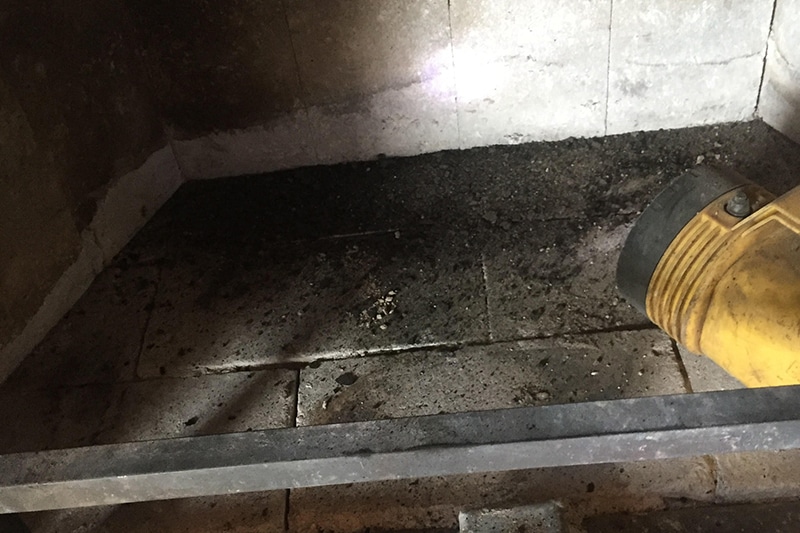
If you use a fireplace anywhere in metro Denver, a clean, safe chimney isn’t optional. It’s what keeps smoke moving up and out, protects against carbon monoxide, and reduces the risk of a chimney fire. At Chimney Sweeps Of America, we’ve helped Denver homeowners since 1982, and we see the same warning signs over and over. If any of the symptoms below sound familiar, it’s time to schedule a chimney cleaning and inspection.
Why Chimney Cleaning Matters In Denver’s Climate And Altitude
High-Elevation Draft Challenges
At a mile high, the air is thinner. That means less oxygen for combustion and a weaker natural draft. When the draft is weak, smoke lingers in the flue longer, deposits cool faster, and creosote builds up more quickly. In Denver, that combination leads to smoke rollouts, eye-watering fires, and heavy residue inside the chimney. Regular chimney cleaning keeps the airway clear so your fireplace drafts the way it should.
Freeze–Thaw Cycles And Moisture Mixing With Soot
Along the Front Range, we get warm afternoons followed by quick freezes. Moisture seeps into tiny masonry cracks, expands overnight, and breaks things down. When soot and creosote mix with that moisture, they turn acidic and attack mortar joints, flue tiles, and metal components. Over time, you can see spalling brick, loose crown mortar, and cracked liners. Cleaning and inspections help us catch early damage and protect against costly repairs.
Front Range Wood-Burning Patterns And Air Quality Days
On cold snaps and inversion days, many of us burn more often. Heavier use plus low-draft conditions means faster creosote accumulation. And during air quality advisories, a clean, efficient system burns cleaner with less smoke, which helps neighbors and keeps your home safer. Chimney Sweeps Of America serves Denver and nearby communities with maintenance that supports both performance and local air quality.
Visual And Odor Signs Of Creosote Buildup
Sooty Staining Or Shiny, Glassy Creosote (Stage 3)
Look inside the firebox and at the bottom of the flue. A light, dusty film is normal after a few fires. Thick, crunchy flakes or hard, shiny glaze are not. That glossy, almost glass-like layer is Stage 3 creosote, which is highly combustible and difficult to remove without professional tools.
Black Residue On Fireplace, Surround, Roof, Or Cap
Check for oily black streaks on the face of the fireplace, smoke stains above the opening, and dark deposits on the chimney cap or nearby roof shingles. These are common indicators that the flue is overdue for cleaning.
Acrid, Tar-Like Or Campfire Odors, Worse In Warm Weather
On warm days, creosote off-gasses and the smell can drift into living spaces. If your living room smells like a campground long after the fire is out, it’s a strong sign the flue needs attention. We often resolve this with a thorough cleaning and by confirming the damper and cap are working as designed.
Draft And Performance Problems You Shouldn’t Ignore
Smoke Backing Up, Slow Starts, Or Frequent Fireplace Smoking
If smoke spills into the room when you light kindling, the chimney may be cold, blocked, or dirty. A clean, warm flue primes quickly and pulls smoke upward. Heavy creosote and debris slow that process and cause persistent smoking.
Poor Draft, Cold Chimney, Or Wind-Triggered Whistling
A fireplace that only behaves on calm days usually has a draft issue. At elevation, even small blockages or design flaws will show up as back-puffing or wind-driven whistling. Our technicians can clean the flue, assess the cap and chase, and recommend fixes that improve draft.
Carbon Monoxide Alarm Alerts Or Watery Eyes And Headaches
Any CO alarm activation is urgent. Also pay attention to symptoms like watery eyes, headaches, or a lingering haze after a fire. These can point to incomplete combustion or an obstructed flue. Chimney Sweeps Of America performs certified inspections to verify clearances, confirm proper ventilation, and remove obstructions so exhaust goes outside where it belongs.
Animals, Debris, And Weather-Related Contamination
Bird Or Squirrel Activity, Nests, Feathers, Or Droppings
Colorado wildlife loves a quiet, protected chimney. Nests can block the flue, trap carbon monoxide, and create fire hazards. If you hear chirping or scratching, or you find feathers and droppings in the firebox, call us before you light another fire.
Twigs, Leaves, Or Ash After Windstorms Or Wildfire Smoke Events
Front Range wind can send twigs, seed pods, and ash straight into uncapped or poorly screened chimneys. After a big wind event or during wildfire season, check for debris in the firebox and on the smoke shelf. Cleaning removes combustible material and restores airflow.
Missing Or Damaged Chimney Cap Or Screen
A quality cap keeps out rain, snow, and critters while supporting draft. A missing, bent, or rusted cap invites water and pests, and it accelerates creosote smell problems. We can replace caps, upgrade spark arrestor screens, and verify that the chase cover or crown is intact.
Moisture And Structural Damage Indicators
White Efflorescence, Rust Streaks, Or Damp Smells
White, powdery deposits on the exterior brick mean moisture is migrating through the masonry. Rust on the damper, smoke chamber, or faceplate points to water entry. A musty smell is another clue. These are all reasons to inspect for leaks and schedule cleaning.
Cracked Flue Tiles, Spalling Brick, Or Deteriorated Mortar
Heat, moisture, and freeze–thaw stress can crack clay tiles and erode mortar joints. Broken tiles or missing mortar can snag creosote flakes and create ledges that trap soot. We often see this in older Denver neighborhoods and in nearby cities like Wheat Ridge, Arvada, and Westminster. Repairing liners and joints restores a smooth, safe flue.
Water In Firebox After Snow Or Spring Rains
If you see water pooling in the firebox or stains on ceilings near the chimney, the cap, crown, or flashing may be compromised. Water plus soot leads to acid damage. Cleaning, leak tracing, and proper sealing prevent bigger structural issues. Chimney Sweeps Of America can inspect, repair, and if needed, install or replace liners to bring the system back to safe operation.
When To Schedule And What A Proper Cleaning Includes
Annual Inspection Timing For Denver And Heavy-Use Homes
The Chimney Safety Institute recommends annual inspections. If you burn three or more times a week in winter, schedule a cleaning every year. In Denver, Highlands Ranch, Littleton, and Centennial, that rhythm keeps creosote in check and catches small issues before they turn into repairs.
Before First Freeze Or After Peak-Burning Season
The best times are early fall before the first freeze or late spring after peak use. You’ll get faster appointments and a ready-to-burn system when the first cold front arrives. After big wind or hail, it’s also smart to book a checkup, especially in storm-prone areas like Thornton, Northglenn, Commerce City, Englewood, Aurora, Boulder, and Arvada.
What To Expect: Inspection Levels, Cleaning Methods, And Prep
Here’s how we handle a professional service call:
- Level 1 inspection with each cleaning: we examine all accessible components for cracks, clearances, and blockages.
- Rotary and manual brushing: we remove creosote from the flue tile or stainless liner, smoke chamber, and firebox, then vacuum with HEPA filtration to contain dust.
- Cap, crown, and flashing checks: we confirm the weather protection is intact and note any moisture entry.
- Upgrades as needed: if we find damage, we discuss Level 2 camera inspections, chimney cap replacement, chase cover or crown repair, and liner installation or repair.
We arrive on time, protect floors and furnishings, and leave the area clean. In the middle of the service area or out toward Boulder, you get the same careful process every time from Chimney Sweeps Of America.
Conclusion
If your fireplace smokes, smells like tar, or leaves black stains, your chimney is asking for help. Add our Front Range altitude, wind, and freeze–thaw swings, and you can see why Denver homes need regular care. Since 1982, Chimney Sweeps Of America has helped homeowners in Denver, Wheat Ridge, Arvada, Westminster, Boulder, Centennial, Littleton, Highlands Ranch, Englewood, Aurora, Commerce City, Northglenn, and Thornton keep their chimneys safe and efficient. Ready to check this off your list? Call us or reach out through our website contact form to schedule your chimney cleaning and inspection. We’ll make sure your system vents properly, burns cleaner, and is ready for your next cozy fire.
Frequently Asked Questions
What are the top signs you need a chimney cleaning in Denver?
Common red flags include shiny, glassy creosote (Stage 3), thick flaky soot, smoke stains on the fireplace or cap, campfire or tar-like odors that worsen in warm weather, smoke backing into the room, animal activity or debris after windstorms, and moisture clues like efflorescence, rust streaks, or musty smells.
How often should Denver homeowners schedule chimney cleaning and inspection?
Plan on an annual inspection, and if you burn three or more times a week in winter, schedule a yearly chimney cleaning in Denver. Ideal timing is early fall before the first freeze or late spring after peak use. Also book a checkup after major wind, hail, or wildfire smoke events.
Why does Denver’s altitude make chimney cleaning more important?
At mile-high elevation, thinner air weakens natural draft. Smoke lingers longer, cools faster, and forms creosote more quickly—especially during cold snaps and inversions. Regular cleaning keeps the flue clear, improves draft, reduces smoky startups, and helps prevent eye irritation, CO issues, and chimney fires in Front Range conditions.
How much does chimney cleaning in Denver typically cost, and how long does it take?
Most standard chimney cleanings in Denver run roughly 0–0, depending on flue height, creosote level, access, and add-on services. Expect 60–120 minutes for a cleaning with a Level 1 inspection. Heavy Stage 3 creosote, camera inspections, cap replacements, or liner repairs increase both time and price.
Do gas fireplaces or inserts in Denver need chimney cleaning?
Yes. Gas appliances still vent moisture, sulfur byproducts, and can accumulate lint, debris, or wildlife obstructions—especially after Front Range wind or wildfire ash. Schedule an annual inspection to verify draft, check caps and terminations, and clean the vent path. This helps prevent CO issues and keeps the system running efficiently.
