
If you use a fireplace anywhere in metro Denver, the short answer is once a year. That’s the National Fire Protection Association (NFPA 211) standard for every chimney, fireplace, and vent, regardless of how often you burn. At Chimney Sweeps Of America, we’ve served Denver homeowners since 1982, and we’ve seen how Colorado’s wind, hail, and freeze–thaw cycles can turn small chimney issues into big headaches. A timely chimney inspection keeps your system efficient, reduces fire risk, and helps keep carbon monoxide out of your living space.
Why Chimney Inspections Matter In Denver’s Climate
Chimneys look indestructible, but the Front Range proves otherwise. Our temperature swings, frequent wind, and spring hail can chip masonry, loosen caps, and stress liners. In winter, snowmelt seeps into tiny cracks and refreezes, widening gaps. All of this invites moisture into the system, which accelerates masonry decay and rust on metal components.
When that deterioration combines with creosote from wood-burning appliances, the risk climbs. Creosote is a highly combustible byproduct of wood smoke. If it builds up along a rough or damaged flue, it can ignite. Inspections catch that buildup early, spot cracked tiles or gaps in stainless liners, and verify the chimney is venting correctly so smoke and carbon monoxide don’t back up into the home.
Local relevance matters here. We see these issues not only in Denver but also in neighboring Wheat Ridge, Arvada, Westminster, Boulder, Centennial, Littleton, Highlands Ranch, Englewood, Aurora, Commerce City, Northglenn, and Thornton. The earlier we identify weather-related damage, the more affordable the fix.
Recommended Frequency For Denver Homes
Annual Baseline (NFPA 211)
NFPA 211 calls for an inspection every year, even if you seldom use the fireplace. It’s a safety check that confirms the flue is clear, the structure is sound, and the system is ready when you need it. The Chimney Safety Institute of America (CSIA) supports this guidance.
Adjust For Fuel Type And Usage (Wood, Gas, Pellet)
- Wood-burning: If you burn three or more times a week during the season, plan on a yearly inspection and cleaning. Heavy users sometimes benefit from a mid-season check to monitor creosote.
- Gas: Gas fireplaces burn cleaner but still need annual inspection. We verify the venting, check for debris or nesting, confirm the cap and termination, and test the CO pathway.
- Pellet: Annual inspections are recommended. Pellet appliances can produce ash and fine soot that impact venting.
Extra Inspections After Specific Events
Schedule an additional inspection if you experience any of the following:
- A chimney fire, unusual roaring, or heavy smoke
- Lightning strike, significant hail, or high-wind event
- Earth movement or settling cracks after construction work
- Appliance changeouts or flue resizing
- Buying or selling a home (a Level 2 inspection is typically appropriate)
A quick note on safety stats: nationwide, there are roughly 25,700 residential fires linked to fireplaces, chimneys, and connectors each year, resulting in preventable losses. Regular inspections and cleanings dramatically lower that risk.
Understanding Levels Of Chimney Inspections
Level 1: Routine Annual Check
A visual examination of all readily accessible parts of the chimney and appliance. We look at the firebox, damper, smoke chamber, exposed flue areas, and exterior chimney where visible. For many Denver homeowners with no system changes or known problems, this is the standard annual visit.
Level 2: Real Estate, Changes, Or After Damage
A more detailed inspection that includes video scanning of the flue and checks of accessible areas in attics, crawlspaces, and basements. This level is recommended for property transfers, after a chimney fire, after a major storm, or when switching fuel types or appliances.
Level 3: Invasive When Serious Hazards Are Suspected
If we suspect hidden damage that we can’t confirm with Level 1 or 2, Level 3 may require removing components to reach concealed areas. We reserve this for serious concerns like structural compromise or severe water intrusion.
We follow NFPA 211 standards and CSIA best practices. As a local team that works across Denver and communities like Aurora, Thornton, and Highlands Ranch, we choose the level that best fits your situation so you’re not paying for more, or getting less, than you need.
Best Time Of Year To Schedule In Denver
Late Summer To Early Fall For Peak Readiness
Booking in August or September gives us time to inspect, clean, and complete any repairs before the first cold snap. It also helps you avoid the early-winter rush.
After Major Wind, Hail, Or Freeze–Thaw Cycles
If your neighborhood took a beating from wind or hail, or you see new cracks after a deep freeze, schedule an inspection. We often find loosened caps, dented chase covers, displaced masonry, or liner damage after these events.
We keep priority slots for safety-sensitive issues across Denver neighborhoods and nearby cities including Westminster, Arvada, and Littleton.
Signs You Need An Inspection Sooner
Performance Issues, Smoke, Or Persistent Odors
- Smoke spillage into the room when you start a fire
- Persistent campfire or sour odors, especially in warm weather
- Difficulty getting fires to draft, or unusual whistling sounds
Visible Damage, Creosote, Or Wildlife Activity
- Black, flaky, or shiny creosote deposits
- Cracked brick or spalling mortar on the chimney crown
- Birds, squirrels, or evidence of nesting in the flue
Carbon Monoxide Alerts Or Gas Appliance Irregularities
- Carbon monoxide alarm activations
- Sooting, pilot issues, or strange flame behavior with gas units
If you notice any of these in Denver, Aurora, or Boulder, pause use and book an inspection right away. It’s the safest move for your family.
What To Expect And How To Prepare
Scope Of A Professional Inspection
On a typical Level 1 visit, we assess:
- Firebox, grate, doors, and damper
- Smoke chamber and accessible flue sections
- Chimney cap, crown, and exterior masonry or chase
- Clearances to combustibles
- Draft and venting pathway for smoke and carbon monoxide
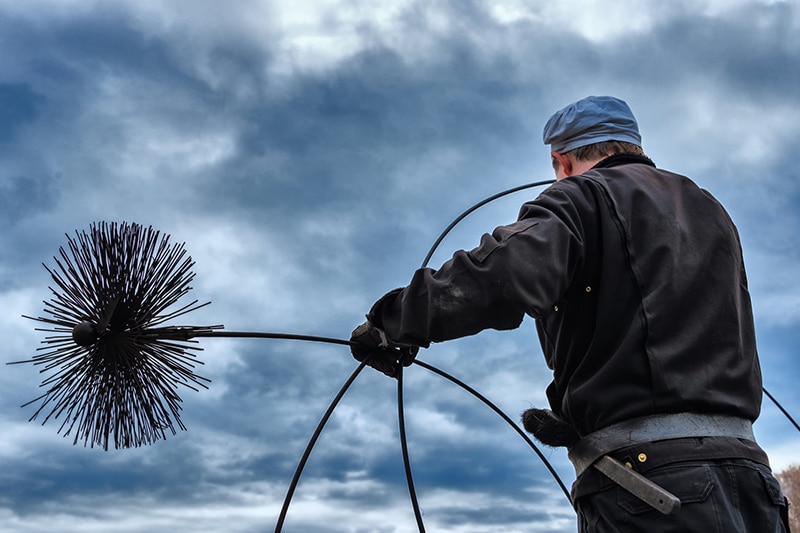
If we’re performing a cleaning, we use rotary and manual brushes to remove creosote, followed by HEPA vacuums to keep your home clean. When needed, we recommend a Level 2 video scan to document hidden issues.
Homeowner Prep Checklist
- Avoid burning for at least 24 hours beforehand
- Clear the hearth area by 6 feet (tools, décor, and rugs)
- Ensure pets are secured in another room
- Provide access to the attic or basement if requested
Typical Timeline And Cost Range In Denver
- Time on site: usually 60 to 120 minutes for a Level 1 inspection and sweep
- Cost range: basic Level 1 inspections in metro Denver commonly fall around $100 to $250: Level 2 varies based on system complexity
We’ll explain findings in plain language and share photos or video when relevant. In the middle of the busy season, scheduling early gives you the best choice of times with Chimney Sweeps Of America.
Maintenance Tips Between Inspections
Smart Burning Practices And Wood Selection
- Burn seasoned hardwood split and dried for 6 to 12 months
- Keep wood covered off the ground and out of snow
- Avoid burning trash, glossy paper, or wet wood (they create more creosote)
Routine Firebox, Damper, And Ash Care
- Scoop ash when it reaches about an inch: leave a thin layer for easier starts
- Open and close the damper periodically in the offseason to keep it moving
- Watch for loose firebricks or mortar gaps in the firebox
Use Of Detectors And Venting Checks For Gas Units
- Install CO detectors on every level and near sleeping areas
- Test alarms monthly and replace batteries twice a year
- For gas appliances, watch for soot, odor, or pilot issues and call us if anything changes
Whether you live in Denver proper or nearby Westminster, Northglenn, Commerce City, or Englewood, these small habits pay off. They keep your system safer and your fires more enjoyable.
Conclusion
For most Denver homes, the ideal schedule is simple: one chimney inspection every year, with a cleaning when creosote or debris is present, and extra checks after major storms or system changes. That cadence aligns with NFPA 211 and matches what we see on the ground across the Front Range.
We bring CSIA- and NFI-certified expertise, honest recommendations, and more than four decades of local experience. If you’re in Denver, Wheat Ridge, Arvada, Westminster, Boulder, Centennial, Littleton, Highlands Ranch, Englewood, Aurora, Commerce City, Northglenn, or Thornton, we’re here to help.
Ready to get on the calendar with Chimney Sweeps Of America? Call us or reach out through our website contact form. We’ll inspect, clean, and, if needed, repair your system so you can enjoy the fire without worry. And if you can’t remember your last inspection, that’s your sign to book today with Chimney Sweeps Of America.
Frequently Asked Questions
How often should you schedule a chimney inspection in Denver?
Plan on one chimney inspection in Denver every year per NFPA 211, even if you rarely use the fireplace. The Front Range’s wind, hail, and freeze–thaw cycles can quickly worsen small issues. Add extra inspections after significant storms, a chimney fire, appliance changes, or if you notice performance or odor problems.
What’s the best time of year to book a chimney inspection in Denver?
Late summer to early fall (August–September) is ideal. You’ll beat the early-winter rush and have time for repairs before the first cold snap. Also schedule a chimney inspection in Denver after major wind, hail, or deep freeze events, which commonly loosen caps, crack crowns, and stress liners.
Do gas fireplaces in Denver still need an annual inspection?
Yes. Gas burns cleaner than wood, but an annual inspection verifies safe venting, confirms the cap and termination are intact, checks for debris or nesting, and ensures carbon monoxide pathways are clear. Inspectors also look for sooting, pilot issues, or abnormal flame behavior that can signal ventilation or component problems.
Which inspection level do I need: Level 1 vs. Level 2?
Most Denver homes with no system changes or known issues get a Level 1—an annual visual check of accessible components. Choose Level 2 for real estate transactions, after a chimney fire or major storm, or when changing appliances/fuel. It adds video scanning and checks in attics, crawlspaces, and basements.
Is a chimney inspection required when buying or selling a home in Colorado?
There’s no universal statewide law, but many real estate pros, insurers, and lenders expect an NFPA 211 Level 2 inspection during a sale. It documents hidden defects with a video scan, reduces liability for both parties, and can uncover safety issues not covered by a standard home inspection.
How do Denver’s altitude and winds affect chimney draft and safety?
At 5,280 feet, thinner air can reduce draft, making proper flue sizing, height, and cap design more important. Frequent gusts along the Front Range can cause downdrafts if caps are damaged or undersized. A professionally installed wind-resistant cap and verified chimney height help maintain stable draft and reduce smoke spill.
