
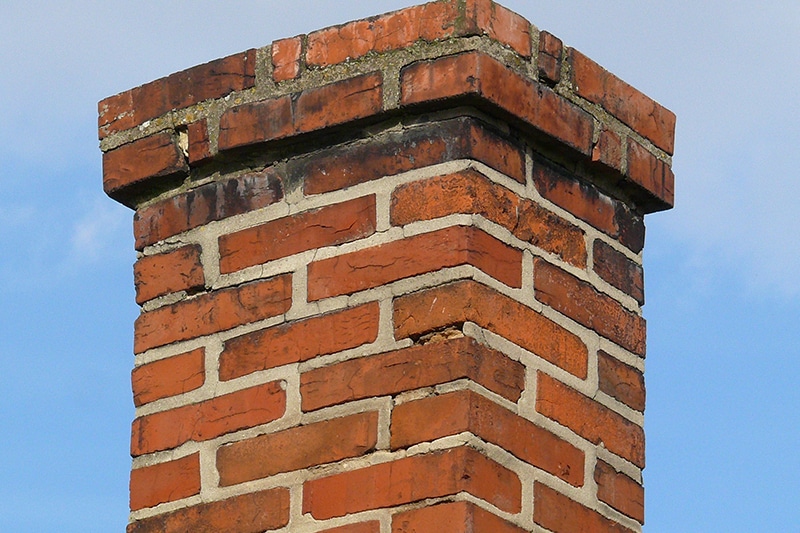
Your chimney might look rock-solid from the ground, but here in Denver, looks can be deceiving. The mortar joints holding those bricks together take a serious beating from our extreme weather, scorching summer days, frigid winter nights, hailstorms that seem to come out of nowhere, and more freeze-thaw cycles than most homeowners realize.
At Chimney Sweeps of America, we’ve been serving the Denver and Boulder area since 1982, and we’ve seen firsthand how quickly Colorado’s climate can deteriorate chimney mortar. The good news? Catching the warning signs early can save you thousands in repairs down the road. In this guide, we’ll walk you through exactly how to tell if your chimney needs repointing, what to look for during a visual inspection, and when it’s time to call in a professional.
What Is Chimney Repointing?
Repointing is the process of removing damaged, crumbling, or deteriorated mortar from the joints between your chimney’s bricks and replacing it with fresh mortar. Think of mortar as the glue that holds your chimney together, it fills the gaps between bricks and creates a weatherproof seal that keeps moisture out.
Over time, mortar naturally breaks down. It’s softer than brick by design (which actually helps protect the bricks themselves), but this means it wears away faster. When mortar joints start failing, water can seep into your chimney structure, leading to far more serious, and expensive, problems.
Repointing isn’t just cosmetic. It’s a structural repair that restores your chimney‘s integrity and prevents water infiltration. When done correctly, a quality repointing job can last 25 to 30 years, depending on the mortar used and your local climate conditions. For Denver homeowners, where weather extremes are the norm, staying ahead of mortar deterioration is essential to protecting your home.
Why Denver’s Climate Accelerates Mortar Damage
If you’ve lived in Colorado for any length of time, you know our weather doesn’t play nice. We experience temperature swings that would make meteorologists in other parts of the country do a double-take. It’s not unusual to see a 40-degree temperature change in a single day, especially during spring and fall.
Here’s where the science comes in. When water gets into small cracks or pores in your mortar and then freezes, it expands, by about 9%, to be exact. That expansion creates pressure inside the mortar joint. When temperatures rise again, the ice melts and contracts. This freeze-thaw cycle repeats dozens of times each winter in Denver, and every cycle chips away at your mortar’s integrity a little more.
But it’s not just the cold. Our intense high-altitude sun bakes chimneys during summer months, causing thermal expansion. Golf-ball sized hail, which we seem to get at least once or twice a year, can physically damage mortar and knock chunks loose. Add in our occasional heavy wet snow, and you’ve got a recipe for accelerated deterioration.
We’ve seen chimneys that are only 15 years old showing serious mortar damage in the Denver metro area. In more moderate climates, that same chimney might go 30 years before needing attention. It’s just the reality of living at altitude with our unique weather patterns.
Signs Your Chimney Needs Repointing
Knowing what to look for can help you catch mortar problems before they turn into major structural issues. Here are the telltale signs that your chimney is ready for repointing.
Crumbling or Missing Mortar
This is the most obvious sign, and often the first thing homeowners notice. If you can see gaps where mortar should be, or if the mortar looks sandy and crumbly rather than solid, it’s time for repointing. Try this simple test: take a key or screwdriver and gently scrape one of your mortar joints. If the mortar flakes away easily or you can dig into it more than a quarter inch without much effort, that mortar is failing.
Sometimes you’ll find chunks of mortar on the ground around your chimney after a storm. That’s your chimney literally falling apart piece by piece, don’t ignore it.
Visible Cracks Between Bricks
Cracks in mortar joints are another red flag. Small hairline cracks might not seem like a big deal, but they’re entry points for water. Once water gets in, freeze-thaw cycles widen those cracks every winter. What starts as a tiny crack can become a serious gap within just a few seasons.
Look for vertical cracks running through the mortar, horizontal separation between rows of bricks, or stair-step cracking that follows the mortar joints diagonally. Any of these patterns indicate your mortar is compromised and needs professional attention.
White Staining and Efflorescence
Noticed white, chalky deposits on your chimney bricks? That’s called efflorescence, and it’s a warning sign that shouldn’t be ignored. Efflorescence occurs when water moves through masonry and carries dissolved salts to the surface. When the water evaporates, it leaves those salts behind as a white powdery residue.
The presence of efflorescence tells us two things: water is getting into your chimney structure, and it’s migrating through the masonry. While the staining itself is mostly cosmetic, what it represents, ongoing moisture intrusion, is a serious concern. The mortar allowing that water penetration likely needs to be replaced.
Water Leaks Near the Chimney
If you’re finding water stains on your ceiling or walls near the chimney, or if you notice moisture in your firebox after rainstorms, damaged mortar could be the culprit. Water follows the path of least resistance, and deteriorated mortar joints are basically an open invitation.
These leaks can cause damage well beyond the chimney itself. We’ve seen cases where water intrusion through failing mortar led to rotted roof decking, damaged attic insulation, and even mold growth in walls. At Chimney Sweeps of America, we always tell our customers: a little preventive repointing is far cheaper than repairing water damage throughout your home.
How to Inspect Your Chimney Safely
You can perform a basic visual inspection of your chimney from ground level with a pair of binoculars. This won’t catch everything, but it’s a good starting point and something we recommend homeowners do at least twice a year, once in spring after winter’s freeze-thaw cycles, and again in fall before heating season begins.
From the ground, scan the visible portions of your chimney looking for:
- Missing or crumbling mortar in the joints between bricks
- Cracks running through mortar or bricks
- Loose or displaced bricks that appear to be shifting
- White staining (efflorescence) on brick surfaces
- Dark staining that could indicate water saturation
- Vegetation growth in mortar joints (a sure sign of deterioration)
If your chimney is visible from a second-story window, you can get a closer look without climbing on the roof. Use good lighting, overcast days actually work well because you don’t get shadows that hide defects.
One important note: we don’t recommend homeowners climb onto their roofs for chimney inspections. It’s simply not worth the risk. Roof surfaces can be slippery, and even experienced professionals take extensive safety precautions. If you suspect problems that you can’t see from ground level, that’s when it’s time to call in certified chimney technicians who have the proper equipment and training to conduct a thorough, safe inspection.
When to Call a Professional for Repointing
So when does chimney damage go from “keep an eye on it” to “call someone now”? Here are some guidelines we share with our customers.
Call right away if you notice:
- Multiple areas of missing mortar or deep gaps between bricks
- Bricks that appear loose or are actually shifting position
- Water actively leaking into your home near the chimney
- Large cracks (wider than 1/8 inch) in mortar joints
- Significant efflorescence covering large areas of the chimney
- Any leaning or tilting of the chimney structure
Schedule an inspection soon if you see:
- Minor surface cracking in mortar joints
- Small amounts of mortar debris around the chimney base
- Early signs of efflorescence
- Your chimney is over 20 years old and hasn’t been inspected recently
At Chimney Sweeps of America, we always say the sooner we can intervene, the better. What might be a straightforward repointing job today could turn into a major structural repair if left another few winters. Our certified technicians can assess the extent of the damage and recommend the most cost-effective solution.
It’s also worth noting that repointing is not a DIY project for most homeowners. Matching mortar color and composition requires expertise, using the wrong type of mortar can actually accelerate damage to your bricks. Professional chimney repair companies also have the specialized tools and scaffolding needed to work safely at height and ensure the job is done correctly.
Repointing vs. Tuckpointing: Understanding the Difference
You might hear these terms used interchangeably, but they’re actually different processes. Understanding the distinction can help you communicate more effectively with chimney repair professionals and understand what you’re paying for.
Repointing is the straightforward process of removing old, damaged mortar and replacing it with new mortar. The goal is structural, restoring the integrity of the mortar joints so they can do their job of keeping water out and holding bricks together. The finished result typically matches the original mortar color as closely as possible.
Tuckpointing is more of a cosmetic technique that creates the illusion of very fine mortar joints. It involves filling the joints with mortar that matches the brick color, then adding a thin line of contrasting (usually white or light-colored) mortar down the center of each joint. The visual effect is crisp, precise-looking brickwork.
Historically, tuckpointing was developed to make rough, irregular brickwork look more refined. Today, it’s often used on restoration projects or high-end homes where appearance is a priority.
For most Denver homeowners dealing with weather-damaged mortar, standard repointing is what you need. It addresses the structural concerns effectively and costs less than decorative tuckpointing. But, if your home is historic or you’re particularly concerned about curb appeal, tuckpointing might be worth discussing with your chimney repair professional.
When you contact Chimney Sweeps of America for chimney repairs, we’ll explain exactly what work needs to be done and why. We believe in transparency, you should always know what you’re getting before any work begins.
Conclusion
Denver’s unique climate puts extraordinary stress on chimney mortar, and staying ahead of deterioration is key to avoiding costly repairs. The signs we’ve covered, crumbling mortar, visible cracks, efflorescence, and water leaks, are your chimney’s way of asking for help. Pay attention to them.
Regular visual inspections from ground level can catch problems early, but nothing replaces a professional assessment from certified technicians who know exactly what to look for. If your chimney is showing any warning signs, or if it’s been more than a few years since your last inspection, don’t wait for a small problem to become a big one.
At Chimney Sweeps of America, we’ve been protecting Denver and Boulder homes since 1982. Our experienced team can inspect your chimney, diagnose any mortar damage, and provide expert repointing services to keep your chimney functioning safely for decades to come. Give us a call if you notice or even suspect any chimney problems, we’re here to help.
