
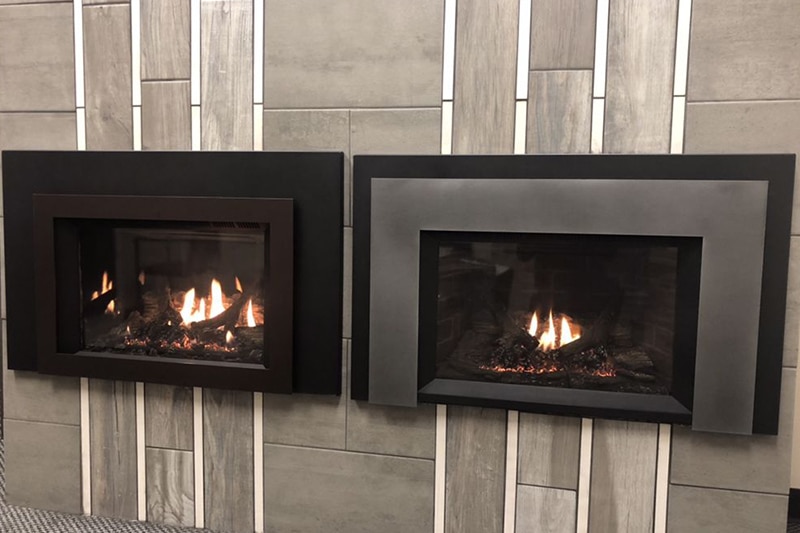
If you’re a homeowner in Denver or the surrounding metro area, you’ve probably thought about your fireplace more than a few times during our cold, dry winters. Maybe you’ve got an older wood-burning setup that’s seen better days. Or perhaps you’re building new and trying to decide which direction to go. Either way, the question comes up a lot: gas or wood?
At Chimney Sweeps of America, we’ve been helping Denver homeowners with this exact decision since 1982. We install, inspect, and maintain both gas and wood fireplaces across Denver, Wheat Ridge, Arvada, Westminster, Boulder, and communities throughout the Front Range. So we’ve seen what works, what doesn’t, and what makes the most sense for different households.
Let’s break down the real differences between gas and wood fireplaces so you can figure out which one fits your home, your budget, and your lifestyle.
Key Takeaways
- Gas fireplaces deliver 70-80% heat efficiency and instant warmth, making them ideal for Denver’s cold, dry winters.
- Wood fireplaces offer an authentic experience with real flames and crackling sounds, but only 10-20% of the heat stays in your home.
- Gas fireplaces require minimal maintenance, while wood fireplaces need regular chimney sweeping and creosote removal to prevent fire hazards.
- Denver’s air quality regulations restrict wood burning on high-pollution days, but gas fireplaces can be used without restrictions.
- Over a 10-year span, the total cost of ownership for gas vs. wood fireplaces often evens out when you factor in maintenance and labor.
- Choose a gas fireplace for convenience and daily supplemental heat, or a wood fireplace if you value the traditional fire-building ritual and ambiance.
Understanding Denver’s Climate and Fireplace Needs
Denver winters aren’t messing around. We get those stretches of bitter cold, sometimes dropping well below freezing for days at a time. And with our dry climate, the air doesn’t hold heat the way it does in more humid regions. That means supplemental heating isn’t just a nice-to-have: it’s pretty essential for staying comfortable without cranking your furnace 24/7.
Here’s where fireplaces come in. But not all fireplaces perform the same in our climate.
Gas fireplaces deliver quick, consistent warmth. Flip a switch or press a button, and you’ve got heat in minutes. They’re designed to radiate warmth into the room rather than letting it escape up the chimney.
Wood-burning fireplaces, on the other hand, offer that undeniable ambiance. The crackle, the smell, the dancing flames. But here’s the catch: traditional wood fireplaces actually lose a lot of heat up the chimney. Some estimates suggest only 10-20% of the heat generated actually stays in your home.
For homeowners in Denver, Centennial, Littleton, Highlands Ranch, and other metro communities, this efficiency gap matters. When temperatures drop, you want a fireplace that actually helps heat your home, not one that’s mostly for show.
That said, there’s no single right answer. Your choice depends on what you value most: convenience and efficiency, or the traditional experience of a real wood fire.
How Gas Fireplaces Work
Gas fireplaces run on natural gas or propane. Most modern units use a direct-vent system, which is a dual pipe setup where one pipe brings in outside air for combustion while the other exhausts fumes directly outside. This keeps the combustion process completely sealed off from your living space.
The result? Heat efficiency can reach up to 80%, which is significantly higher than wood-burning options. The fire heats ceramic logs or glass media, and that warmth radiates into your room instead of escaping through the chimney.
Many gas fireplaces come with thermostatic controls, remote starters, and even smartphone integration these days. You can set them to maintain a specific temperature or program them on a timer.
Pros and Cons of Gas Fireplaces
The good stuff:
- Instant on/off with a switch or remote
- No ash, no soot, minimal cleanup
- High efficiency (70-80% of heat stays in your home)
- Realistic-looking ceramic logs and glowing embers
- Lower maintenance requirements overall
- Safer for indoor air quality since combustion is vented directly outside
The downsides:
- Higher upfront installation costs, especially if you need to run a gas line
- Annual fuel costs can run around $2,000 if you use it heavily
- No authentic wood-burning smell or crackling sounds
- Requires professional installation and periodic inspection
For homeowners in Englewood, Aurora, Commerce City, and Northglenn who want reliable heat without the hassle, gas is often the practical choice. But we always tell folks: come see the options in person before deciding. We carry a full line of Napoleon fireplaces and can show you exactly what different models look and feel like.
How Wood-Burning Fireplaces Work
A wood-burning fireplace is about as straightforward as it gets. You load real logs into a firebox, light them up, and the smoke and gases vent through your chimney. It’s the original home heating method, and there’s a reason people still love it.
The fire burns inside a masonry or prefabricated metal firebox. As the wood combusts, it generates heat, light, and that distinctive smell of burning wood. A damper controls airflow, and the chimney creates a draft that pulls smoke up and out of your home.
Pros and Cons of Wood Fireplaces
What people love:
- The authentic experience: real flames, real crackle, real wood smell
- High heat output when the fire is burning strong
- Independence from utility companies (no gas line needed)
- Lower fuel costs if you have access to cheap or free firewood
- That cozy, traditional atmosphere you can’t quite replicate
The challenges:
- Labor-intensive: you need to source, split, season, and store firewood
- Fuel costs around $480/year for wood, plus $300-600 in maintenance
- Creosote buildup in the chimney creates fire risk and requires regular cleaning
- Most of the heat goes up the chimney rather than into your room
- Ash cleanup after every use
- Carbon monoxide risks if the chimney isn’t properly maintained
Here’s something we see all the time at Chimney Sweeps of America: homeowners who love their wood fireplaces but haven’t kept up with maintenance. Creosote buildup is a real hazard. It’s combustible, and if it ignites inside your chimney, you’ve got a serious problem. Blocked chimneys can also trap carbon monoxide in your home, which is genuinely dangerous.
If you go with wood, commit to annual inspections and cleanings. Our CSIA-certified technicians handle this for homeowners throughout Thornton, Westminster, Boulder, and the entire Denver metro.
Cost Comparison: Installation and Long-Term Expenses
Let’s talk numbers, because this is usually where decisions get made.
Installation costs:
| Fireplace Type | Typical Installation Cost |
|---|---|
| Gas Fireplace | $3,500 – $7,500+ |
| Wood Fireplace | $3,000 – $5,500 |
Gas installations tend to run higher, especially if your home doesn’t already have a gas line to the fireplace location. You may also need electrical work for ignition systems and blowers.
Wood fireplace installations can be more affordable upfront, though masonry units on the higher end get expensive fast.
Operating and maintenance costs:
| Gas | Wood | |
|---|---|---|
| Annual fuel | ~$2,000 (heavy use) | ~$480 (buying firewood) |
| Maintenance | Minimal | $300-600/year |
| Cleaning frequency | Annual inspection | Multiple cleanings/year |
Here’s the thing that catches people off guard: wood seems cheaper until you factor in maintenance. Chimney sweeps, inspections, potential liner repairs, and the time you spend hauling and stacking wood all add up.
Gas fireplaces have higher fuel costs but lower maintenance. Over a 10-year span, the total cost of ownership often comes out similar, sometimes favoring gas once you account for labor and hassle.
We’re a high-volume Napoleon dealer here in Denver, which means we can offer competitive pricing on new gas and wood fireplace installations. Because we’re certified installers (NFI and CSIA credentials), we know exactly what it takes to set things up safely and correctly the first time.
Environmental Impact and Air Quality Regulations in Denver
This is a big one for Denver-area homeowners, and it’s only getting more relevant.
Colorado has air quality regulations that restrict wood burning on certain days. When pollution levels spike, you might not be able to use your wood fireplace at all. These “no burn” days happen more than you’d think during winter inversions.
Gas fireplaces don’t face these restrictions. Direct-vent technology means emissions go straight outside, and they burn much cleaner than wood. No particulate matter, no visible smoke.
From an environmental standpoint:
- Wood burning releases particulate matter, carbon monoxide, and volatile organic compounds. Even with a newer EPA-certified stove, emissions are significant.
- Gas burning produces fewer pollutants overall. It’s not zero-emission, but it’s considerably cleaner.
If you live in areas like Arvada, Wheat Ridge, or anywhere in the Denver metro where air quality is monitored closely, a gas fireplace gives you more flexibility to actually use your fireplace when you want to.
That said, some homeowners prioritize the renewable aspect of wood. If you’re sourcing local, sustainably harvested firewood, there’s an argument for carbon neutrality. But practically speaking, for most urban and suburban homeowners in the Front Range, gas is the more environmentally friendly option.
Choosing the Right Fireplace for Your Home
So which should you choose? It comes down to a few key questions:
Do you value convenience or experience more?
If you want heat on demand with minimal effort, gas wins. If you love the ritual of building a fire and don’t mind the work, wood might be your thing.
What’s your maintenance tolerance?
Gas fireplaces need annual inspections, but that’s about it. Wood fireplaces require regular chimney sweeping, creosote removal, and more hands-on upkeep.
Do you have a gas line?
If your home already has natural gas running to the fireplace location, gas installation becomes more affordable. If not, factor in the cost of running a line.
How often will you use it?
Occasional ambiance? Wood might be fine. Daily supplemental heat? Gas makes more sense economically and practically.
Are air quality restrictions a concern?
For Denver, Centennial, Highlands Ranch, Littleton, and other metro communities, this matters. Gas gives you unrestricted use.
Consider resale value too. Gas fireplaces are increasingly popular with homebuyers who want convenience. A well-maintained wood fireplace still has appeal, but gas tends to be an easier sell.
Whatever direction you lean, get a professional assessment first. Our team at Chimney Sweeps of America can evaluate your existing setup, discuss your options, and give you a realistic quote. We’ve been doing this since 1982, and we’ve installed everything from simple gas inserts to full masonry wood-burning systems.
Conclusion
There’s no universally “best” fireplace. Gas fireplaces offer efficiency, convenience, and cleaner operation, making them ideal for busy Denver homeowners who want reliable heat without the hassle. Wood fireplaces deliver an experience that gas simply can’t replicate: the smell, the crackle, the satisfaction of a real fire.
What matters most is matching your choice to your lifestyle, your home, and your willingness to maintain it properly.
If you’re in Denver, Arvada, Westminster, Boulder, Aurora, or anywhere in the metro area and you’re thinking about a new fireplace or need your current one serviced, we’d love to help. Chimney Sweeps of America has been Denver’s trusted fireplace and chimney experts since 1982. We’re certified by the Chimney Safety Institute of America and the National Fireplace Institute, and we have the only NFI Master Hearth Professional in the greater Denver area on staff.
Give us a call or reach out through our website contact form. We’ll answer your questions, schedule an inspection, or set up a consultation about your next fireplace. Whether you go gas or wood, we’ll make sure it’s installed safely and running efficiently for years to come.
Frequently Asked Questions
What is more efficient for heating a Denver home: gas or wood fireplace?
Gas fireplaces are significantly more efficient for heating Denver homes, retaining 70-80% of generated heat compared to just 10-20% for traditional wood-burning fireplaces. In Denver’s cold, dry climate, this efficiency gap makes gas fireplaces more effective for supplemental heating.
How much does it cost to install a gas fireplace vs. a wood fireplace?
Gas fireplace installation typically costs ,500-,500+, while wood fireplace installation ranges from ,000-,500. Gas installations run higher, especially if you need a new gas line. However, over 10 years, total ownership costs often balance out due to wood’s higher maintenance requirements.
Can I use my wood-burning fireplace during Denver’s no-burn days?
No, Colorado air quality regulations prohibit wood burning on designated no-burn days when pollution levels spike. These restrictions occur frequently during winter inversions. Gas fireplaces aren’t subject to these restrictions, giving Denver homeowners more flexibility to use their fireplace year-round.
How often should a wood-burning fireplace chimney be cleaned?
Wood-burning fireplaces require annual inspections and multiple chimney cleanings per year to remove dangerous creosote buildup. Creosote is combustible and can cause chimney fires if not regularly addressed. Annual maintenance costs typically run $300-600, plus professional inspection fees.
Are gas fireplaces safer than wood-burning fireplaces?
Gas fireplaces are generally safer because direct-vent systems seal combustion completely from your living space, eliminating carbon monoxide risks from blocked chimneys. Wood fireplaces require vigilant maintenance to prevent creosote fires and carbon monoxide buildup from improper chimney function.
Do gas fireplaces increase home resale value?
Yes, gas fireplaces are increasingly popular with homebuyers who prioritize convenience and efficiency. While well-maintained wood fireplaces still appeal to some buyers, gas fireplaces tend to be an easier sell in the Denver market due to their low maintenance and unrestricted usability.
