
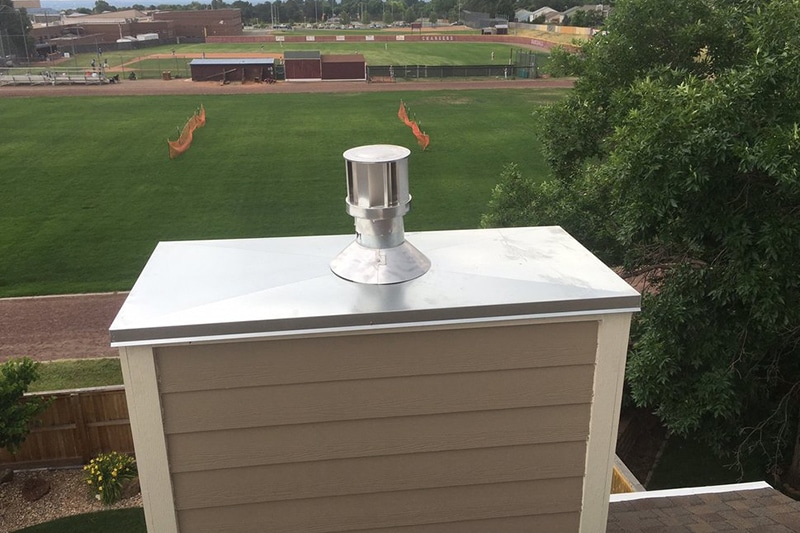
If you use a fireplace or stove anywhere in metro Denver, your chimney liner is doing more to protect your home than you probably realize. At Chimney Sweeps Of America, we help homeowners in Denver, Wheat Ridge, Arvada, Westminster, Boulder, Centennial, Littleton, Highlands Ranch, Englewood, Aurora, Commerce City, Northglenn, and Thornton stay safe and warm by installing, repairing, and maintaining liners that vent correctly and guard the masonry from damage.
Key Takeaways
- Chimney liners create a safe, continuous flue that contains heat and gases, improves draft, and reduces risks of chimney fires and carbon monoxide in Denver homes.
- Denver’s altitude and freeze–thaw cycles make correct liner sizing and insulation essential to prevent moisture damage, odors, and poor draft.
- Stainless steel chimney liners (rigid for straight runs, flexible for offsets) are UL-listed, durable, and boost efficiency; cast-in-place systems add strength when masonry is failing.
- Watch for smoke spillage, persistent odors, CO alarms, staining, or falling tile bits; a Level II camera inspection can confirm damage and code issues that warrant relining.
- Most stainless relines finish in a day with local permits handled, and while costs vary by height, diameter, offsets, and insulation, the performance and longevity justify the investment.
- Extend liner life with annual sweeps and camera inspections, burn seasoned wood, keep the cap intact, and recheck sizing whenever you change appliances or fuels.
What a Chimney Liner Does
A chimney liner creates a continuous, protected pathway that carries smoke and combustion gases out of your house. It keeps intense heat, sparks, and corrosive byproducts away from the chimney walls and nearby framing.
Fire Containment and Heat Transfer Control
A proper liner contains extreme temperatures inside the flue so that surrounding materials don’t overheat. This reduces the risk of a chimney fire and limits radiant heat transfer into attics and wall cavities. If a liner is cracked or missing, heat can reach wood framing faster than you’d think, especially during a hard burn on a cold Denver night.
Smoke, Draft, And Carbon Monoxide Management
The liner’s diameter and smooth interior help maintain steady draft. That means smoke and gases, including carbon monoxide, move up and out instead of spilling into the room. Poor draft shows up as smoky startup, back-puffing, or carbon monoxide alarms. A correctly sized liner fixes most of these symptoms.
Moisture Control and Masonry Protection
Wood, gas, and pellet appliances all create moisture and acidic condensates. A liner keeps these byproducts off the brick, block, and mortar so they don’t soften, crack, or crumble. It also cuts creosote buildup by keeping flue gases warmer and moving, which is one more way a liner protects your home.
Why It Matters More In Denver’s Climate And Altitude
Denver’s environment is tough on chimneys. Between the temperature swings and the elevation, liners pull extra duty to keep systems safe and efficient.
Freeze–Thaw Cycles, Snow, And Wind Exposure
Moisture that seeps into masonry expands when it freezes. Repeat that all winter and you get flaking faces, popped bricks, loose tiles, and mortar loss. A well-fitted liner limits condensation and keeps acid-laden water off the walls, which helps your stack stand up to snow, wind, and spring melt.
High Altitude Draft Dynamics And Efficiency
At about 5,280 feet, air is thinner. That changes draft behavior and often requires careful liner sizing to match the appliance. Too large and smoke cools and slows. Too small and you’ll choke the system. We size liners to the appliance and height so you get clean burns and fewer odors on cold starts.
Local Building Practices And Older Masonry Stacks
Many Denver and near-metro homes have older brick chimneys with clay tile liners. These tiles can crack, shift, or break, and fragments can block the flue. In Arvada, Wheat Ridge, and parts of Littleton and Englewood, we often find gaps at tile joints that leak into attic spaces. Relining solves these issues and brings older stacks up to current safety standards.
Liner Materials And Best Fits For Denver Homes
Different liners shine in different situations. Here’s how we help homeowners choose.
Clay Tile: Pros, Limits, And Repair Challenges
Clay tile was the default for decades. It can work well when intact, but tiles are brittle, hard to repair in place, and prone to cracking from freeze–thaw cycles. Repairing isolated sections often isn’t enough if multiple joints have failed. If you’re in a historic Denver or Boulder home and want to preserve masonry, we usually evaluate clay condition with a camera and recommend repair or a full reline.
Stainless Steel (Rigid vs. Flexible): Durability And Versatility
Stainless steel is our go-to for most relines across Denver, Westminster, Northglenn, and Thornton. It’s UL-tested and listed, corrosion resistant, and compatible with wood, gas, and pellet appliances. Flexible stainless is ideal for chimneys with offsets, while rigid sections give the smoothest interior in straight runs. When insulated, stainless helps maintain flue temperature, improves draft, and reduces creosote. It’s also easier to service in the future.
Cast-In-Place Systems: Structural Reinforcement
For severely damaged masonry, a cast-in-place liner can add structural strength. It forms a new, continuous flue while stabilizing the old stack. We use this method selectively when stainless alone won’t address failing walls.
Fuel Type And Conversions: Wood, Gas, Pellet, And Sizing
Appliances need liners sized to their venting requirements. Converting from wood to gas in a Denver bungalow? The existing flue may be too large for the new gas insert and can cause condensation and odor. Pellet appliances demand specific diameters and smooth walls. We match material and size to the appliance, chimney height, and altitude so the system runs as designed.
Signs You Need A New Or Relined Chimney
Performance And Safety Indicators You Can Spot
- Smoke spilling into the room during startup or when you open the door
- Persistent odors after a fire or on damp days
- Staining on the exterior brick or near the firebox
- Carbon monoxide alarms or headaches after fires
- Bits of clay tile or brick falling into the firebox
Inspection Findings, Damage Patterns, And Code Triggers
During a level II camera inspection, we often see:
- Cracked, misaligned, or missing clay tiles
- Creosote glaze from cool, oversized flues
- Mortar washouts at joints and gaps at offsets
- Moisture tracks and efflorescence
Any of these can trigger a recommendation to reline to meet current codes and manufacturer specs. If you’ve just bought an older home in Denver, Highlands Ranch, Aurora, or Commerce City, schedule an inspection so we can identify issues before your first burn.
Installation, Cost, And Permits In Denver
Typical Process And Timeline
Most stainless steel relines take a day once materials are on site. The steps look like this:
- Camera inspection and measurements
- Choose liner type and insulation plan
- Prepare the flue by removing debris and addressing obstructions
- Install the liner and insulation, connect at the appliance, and seal the top
- Test draft and provide documentation
Price Ranges And Variables That Affect Your Quote
Prices depend on chimney height, number of offsets, liner diameter, insulation, and any masonry repair. Stainless costs more upfront than a patch repair, but it lasts longer, improves performance, and protects the chimney from future damage. We provide clear, written estimates so you know what you’re paying for.
Permits, Codes, And Historic Considerations
Denver and nearby municipalities often require permits for liners and appliance changes. We handle code compliance and coordinate with inspectors. In historic areas of Denver, Boulder, or Arvada, we balance preservation with safety, and we document the flue for insurance when needed.
Chimney Sweeps Of America brings certified expertise to each job. Our team includes the only NFI Master Hearth Professional in the greater Denver area, and we’re trained through the Chimney Safety Institute of America and the National Fireplace Institute. That means your liner is sized and installed to recognized standards.
Care, Inspections, And Lifespan
Annual Sweeps, Camera Inspections, And Maintenance
We recommend an annual sweep and a camera inspection for most Denver homes that use their system regularly. Stainless steel liners, especially when insulated, can last decades with proper care. We check connections, caps, crowns, and flashing so water stays out and draft stays strong.
Operating Do’s And Don’ts To Extend Liner Life
- Burn seasoned, dry hardwoods. Wet wood creates excess creosote.
- Warm the flue on cold mornings with a small kindling fire to help draft.
- Keep the cap in place to block rain, snow, and animal entry.
- Don’t use harsh, unapproved chimney chemicals.
- If you change appliances or fuel types, call us to confirm the liner still matches the new requirements.
Homeowners across Denver, Westminster, Thornton, Northglenn, and Centennial tell us that once their chimney is properly lined and insulated, fires start easier, smoke clears faster, and the house smells cleaner after use. That’s the difference a correct liner makes.
Conclusion
A good liner is quiet protection. It contains heat and gases, manages draft at our mile-high elevation, and shields masonry from moisture that tears chimneys apart over winter. If you’re in Denver, Wheat Ridge, Arvada, Boulder, Littleton, Highlands Ranch, Englewood, Aurora, Commerce City, Northglenn, or Thornton and you’re seeing smoke spillage, odors, or bits of tile in the firebox, it’s time to have us take a look.
Chimney Sweeps Of America installs UL-listed stainless steel liners, repairs crowns and caps, and provides certified inspections to keep your home safe and your system efficient. Mid-season or off-season, we’re here to help Denver homeowners get it right the first time.
Ready to protect your home? Contact Chimney Sweeps Of America today. Give us a call or reach out through our website contact form, and we’ll schedule your inspection and provide a clear plan to get your chimney liner in top shape.
Frequently Asked Questions
What is a chimney liner and how does it protect your home in Denver?
A chimney liner creates a continuous, protected pathway that vents smoke and combustion gases outside. It keeps extreme heat, sparks, and corrosive byproducts off masonry and nearby framing, improving draft and reducing fire risk. This is how chimney liners protect your home in Denver’s variable weather and older masonry.
Why do chimney liners matter more at Denver’s altitude and in our climate?
At mile‑high elevation, thinner air changes draft behavior, so correctly sized liners are critical for clean burns and fewer odors. Freeze–thaw cycles, snow, and wind also punish masonry. A liner limits condensation and acid exposure, protecting bricks and mortar while maintaining steady draft in Denver’s conditions.
What are the signs I need a new or relined chimney liner in Denver?
Watch for smoke spillage during startup, back‑puffing, persistent odors, exterior staining, carbon monoxide alerts, or pieces of clay tile in the firebox. Camera inspections often reveal cracked or missing tiles, gaps, creosote glaze, or moisture tracks—issues that typically trigger a recommendation to reline to current codes.
How are chimney liners installed and do I need permits in Denver?
Most stainless steel relines take about a day: camera inspection and measurements, liner selection and insulation plan, flue preparation, installation and sealing, then draft testing and documentation. Denver and nearby municipalities often require permits and inspections. A qualified installer handles code compliance and coordinates with local officials.
Can a chimney liner improve carbon monoxide safety and indoor air quality?
Yes. A properly sized, smooth‑walled liner maintains steady draft so smoke and gases, including carbon monoxide, exit the home instead of spilling inside. In Denver, liners that are matched to appliance type, chimney height, and altitude reduce back‑puffing, smoky startups, and lingering odors after fires.
Can I install a chimney liner myself in Denver, or should I hire a pro?
DIY liner installs risk sizing errors, poor insulation, missed defects, and code violations. Denver jurisdictions may require permits, inspections, and UL‑listed components installed to manufacturer specs. Hiring a certified pro ensures correct sizing, safe clearances, documentation for insurance, and the performance that helps chimney liners protect your home in Denver.
