
Why Denver Chimneys Need Annual Cleaning
Every wood fire you burn leaves behind creosote — a thick, tar-like residue that coats the inside of your flue. In small amounts, it’s manageable. Left unchecked, it becomes fuel for a chimney fire.
Denver’s Front Range climate makes this worse. Cold nights mean you’re burning more often and for longer stretches. Our altitude affects combustion efficiency, potentially increasing the rate of creosote accumulation. And the extreme freeze-thaw cycles along the Front Range — where temperatures can swing 40 degrees in a single day — stress masonry and create small cracks that let moisture in and heat escape.
That combination of heavy use, altitude, and weather is why the Chimney Safety Institute of America recommends annual cleaning and inspection for homeowners who regularly burn fires. It’s not a suggestion. It’s the standard for safe operation.
The numbers are real: An average of 25,700 chimney and fireplace fires occur in U.S. homes each year, causing over $137 million in property damage. Another 162 deaths annually are attributed to non-fire carbon monoxide poisoning from blocked or damaged chimneys. Annual cleaning eliminates both risks.
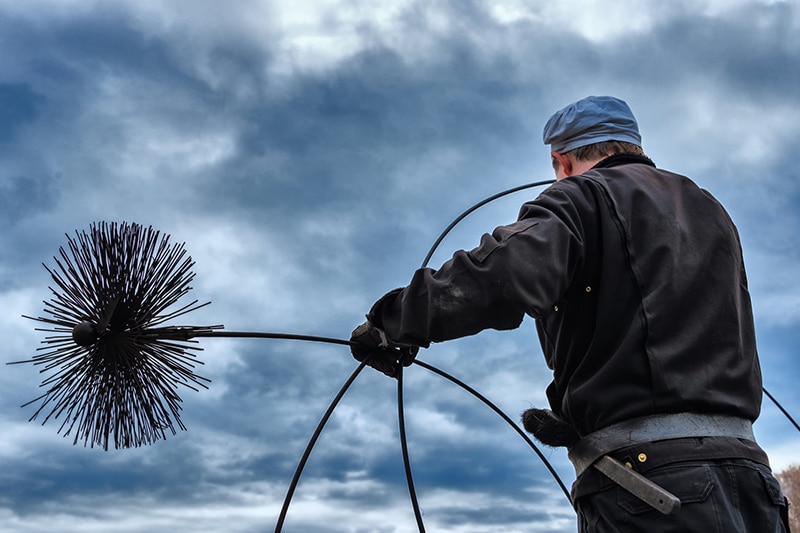
CSIA Certified Technicians
NFI Master Hearth Professionals
Family-Owned Since 1982
12,000+ Satisfied Customers

What’s Included in Our Chimney Sweep Service
We don’t cut corners, and we don’t rush. Here’s exactly what happens when our certified technician arrives at your home:
- Setup and Protection
We lay drop cloths around your fireplace and hearth area. Your floors, furniture, and walls stay clean throughout the entire job. - Creosote Removal
Using a combination of rotary power brushes and manual chimney brushes, we scrub the full length of your flue to remove all creosote buildup — stage 1, 2, or 3. We match our tools to the type and severity of the deposit - Level 1 Chimney Inspection
Included with every sweep at no additional cost. We visually examine all accessible components of your chimney — the flue liner, smoke chamber, damper, firebox, and exterior — checking for cracks, gaps, clearance issues, and obstructions. - Obstruction Check
We verify that your chimney is free from animal nests, leaves, debris, and any other blockages that could trap carbon monoxide inside your home. - Cleanup and Walkthrough
We vacuum the entire work area with industrial-grade equipment. Before we leave, we will walk you through what we found, explain any concerns, and answer your questions. No mess, no upsell pressure.
The entire process takes roughly 45 minutes to an hour for a standard chimney. If we find damage that needs attention, we’ll explain the issue clearly and give you honest options, not a high-pressure pitch.
What Creosote Does to Your Chimney
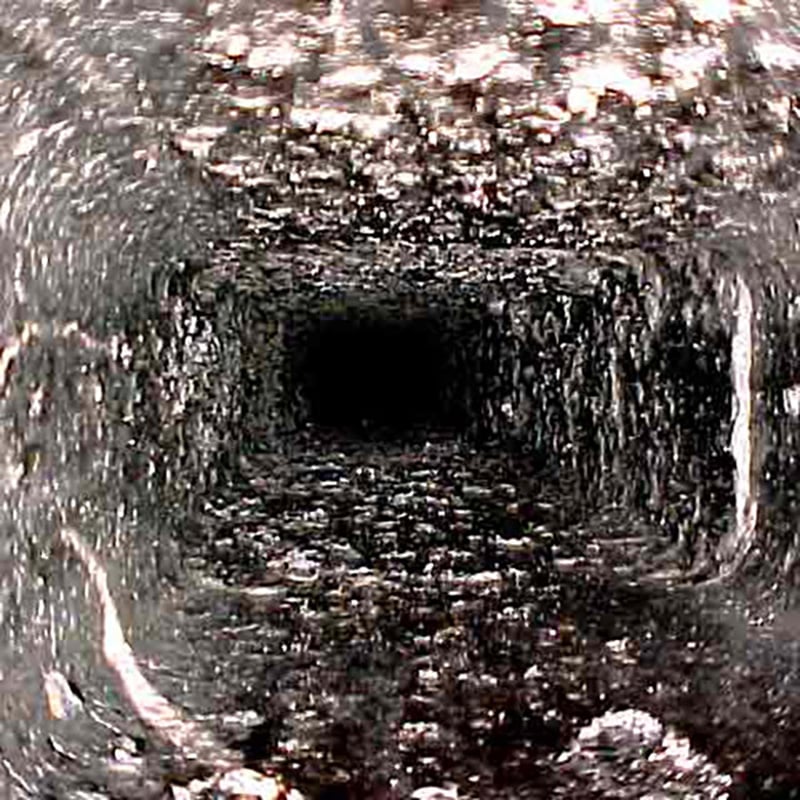
Creosote forms in three stages, each more dangerous than the last. Stage 1 is a light, flaky soot that brushes away easily — this is what routine cleaning handles. Stage 2 is a thicker, shinier tar that’s harder to remove and significantly more flammable. Stage 3 is a hardened, glazed coating that’s extremely difficult to remove and can ignite at temperatures as low as 451°F.
When stage 2 or 3 creosote catches fire inside your flue, the temperatures can exceed 2,000°F. That kind of heat warps metal chimney liners and cracks clay tile liners. Once a liner is cracked, the next fire you light could send flames and superheated gases directly into your attic framing or wall cavities. That’s when a chimney fire becomes a house fire.
Beyond fire, there’s carbon monoxide. A chimney blocked by creosote, animal nests, or debris can’t ventilate properly. Combustion gases that should be going up and out instead back-draft into your living space. You can’t see or smell carbon monoxide, and it kills roughly 430 Americans every year.
Annual chimney cleaning keeps creosote at stage 1, ensures your flue is clear, and gives a trained set of eyes on the components that keep your home safe.
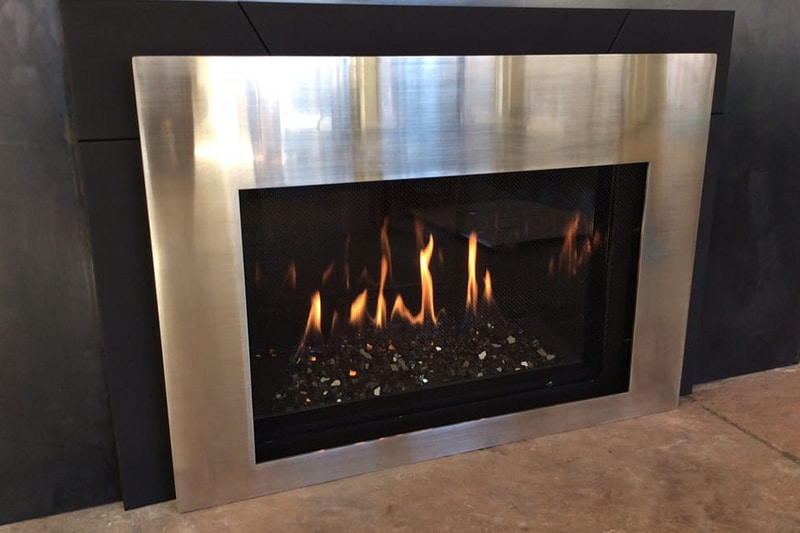
Gas Fireplace Owners: You Need Service Too
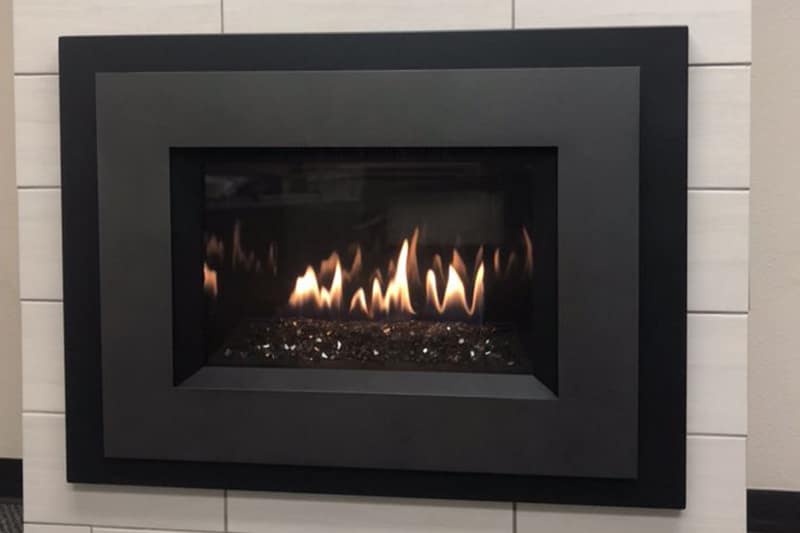
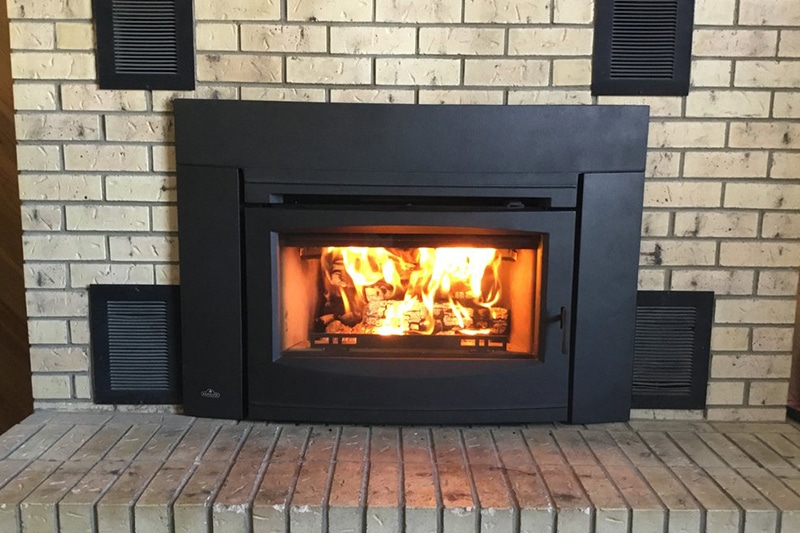
A common misconception is that gas fireplaces don’t need chimney service and cleaning. They don’t produce creosote, true, but they do produce soot and carbon that require cleaning. They also require annual inspection to ensure the venting system, gas valve, thermocouple, and pilot assembly are functioning safely. A malfunctioning gas fireplace can leak carbon monoxide just as easily as a neglected wood-burning one. Our NFI-certified technicians are trained on gas, wood, and pellet systems—we’ll make sure your unit is operating as it should.
Frequently Asked Questions About Our Chimney Sweep Services
The CSIA recommends annual cleaning and inspection if you use your fireplace three or more times per week during the burning season. Denver’s altitude and heavy use patterns mean most homeowners fall into this category. If you can’t remember your last cleaning, it’s time.
A standard chimney sweep takes about 30 minutes to an hour. Complex situations, such as heavy stage 2 or 3 creosote or a chimney with access challenges, may take longer. We’ll give you a time estimate when we arrive.
No. We use drop cloths to protect your floors and furnishings, and our industrial vacuums capture soot and debris throughout the process. We leave your home cleaner than we found it.
A chimney sweep is the physical cleaning — removing creosote, soot, and debris from your flue. A chimney inspection is the evaluation of your chimney’s structural and functional condition. We include a Level 1 inspection with every sweep at no extra cost. If we spot something that warrants a deeper look, we’ll recommend a Level 2 or Level 3 inspection.
While gas logs don’t produce creosote, they still produce soot and carbon and require cleaning. Also, your venting system, gas connections, and chimney components still need annual inspection to ensure safe operation and proper carbon monoxide ventilation.
Late summer through early fall is ideal — it clears last season’s buildup and gives us time to address any repairs before you start burning again. That said, we clean chimneys year-round. The worst time to schedule is when you already smell smoke backing into your home, so don’t put it off.